Understanding Your Advertising Options
Marketing presents numerous pathways to reach target audiences, yet transit and digital advertising emerge as consistently effective approaches. Both methods build brand awareness and generate measurable results through fundamentally different mechanisms. Transit ads occupy physical commuting spaces while digital campaigns appear across screens, websites, search platforms, and social channels. Strategic selection depends on campaign objectives, geographic focus, and budget parameters.
What Is Transit Advertising?
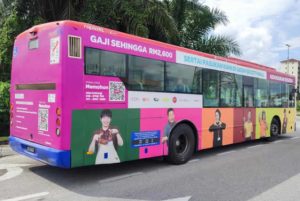
Transit advertising represents outdoor promotional messaging positioned on or around transportation systems. This includes vehicle wraps, interior panels, shelter displays, station posters, and platform signage targeting commuters traveling to work, education, or shopping destinations.
- ★ Bus exterior and interior advertising – comprehensive vehicle messaging to commuters
- ★ Shelter advertising displays – prominent placement at waiting areas
- ★ Taxi and transport vehicle signage – mobile advertising across urban environments
- ★ Station and terminal posters – positioned for maximum passenger visibility
- ★ Train and light rail advertising – platform and carriage placement options
- ★ Digital transit billboard screens – modern technology enhancing message updates
Transit advertising has evolved from traditional poster formats to sophisticated integrated campaigns combining static messaging with dynamic digital billboard technology at major transit hubs and transportation centers.
What Is Digital Advertising?
Digital advertising encompasses paid promotional messaging distributed through online channels reaching users on smartphones, computers, tablets, and connected devices. Brands leverage digital platforms to drive measurable consumer actions including clicks, inquiries, and purchases.
- → Search engine marketing – Google and Bing ad placement
- → Website display advertising – banner ads across web properties
- → Social media campaigns – Facebook, Instagram, LinkedIn, and platform-specific ads
- → Video advertising platforms – YouTube and streaming service integration
- → Retargeting campaigns – ads targeting previous website visitors
- → Programmatic advertising – automated real-time ad buying and optimization
Digital advertising has transformed from basic banner concepts to sophisticated, data-driven campaigns enabling real-time performance adjustments and automation-supported optimization.
Core Differences: Physical vs Digital Presence
Offline Environments vs Online Engagement
Transit advertising operates as an offline channel reaching people during physical daily travel. Digital advertising functions online, engaging users while browsing, searching, or consuming content across internet platforms.
Push Marketing vs Pull Marketing Strategies
Transit predominantly employs push marketing where audiences encounter ads without actively seeking them. Digital operates through both push mechanisms (display/social) and pull strategies (search-based advertising) where consumers actively search for solutions.
Passive Viewing vs Active Interaction
Transit creates passive exposure through repeated commute encounters building gradual brand recognition. Digital enables immediate engagement through clicks, shares, comments, and instantaneous action.
Reach and Geographic Visibility
Transit advertising excels at reaching large demographic groups in concentrated geographic areas. Bus routes, train stations, and transport hubs provide consistent daily visibility through frequent passenger exposure. Even brief message contact generates value through repeated daily encounters.
Digital advertising easily reaches both niche and massive audience segments globally. The primary advantage involves sophisticated targeting capabilities based on demographics, interests, and behavioral patterns. Transit dominates local and regional marketing objectives while digital reaches international audiences instantly, supporting e-commerce and geographic market expansion strategies.
Targeting Capabilities: Precision vs Coverage
Transit Targeting Approach
Transit targeting relies on geographic route selection, station location, and commuter traffic analysis. This isn’t individual-level precision but effectively reaches businesses serving specific locations and demographic areas.
Digital Targeting Capabilities
- ■ Interest and lifestyle categories – specific audience segment selection
- ■ Online behavior tracking – browsing pattern analysis and user segmentation
- ■ Retargeting strategies – messaging to previous website visitors
- ■ Lookalike audiences – customer data modeling and similarity matching
- ■ Demographic precision – age, gender, income, education targeting
- ■ Location-based targeting – hyperlocal suburb and postcode selection
Transit cannot track individual audience members or their subsequent actions. Digital tracking enables performance measurement while privacy regulations and platform changes increasingly affect data accuracy.
Cost Structure and Budget Flexibility
Transit campaigns operate on fixed pricing based on format, location, and campaign duration. Premium locations and high-traffic routes command higher investments. Digital campaigns employ cost-per-click (CPC), cost-per-thousand-impressions (CPM), and cost-per-acquisition (CPA) pricing models enabling smaller initial budgets and flexible spending adjustments.
Launch Timeline and Campaign Execution
Transit advertising demands extended planning, creative approval, production, and installation scheduling. Longer deployment timelines mean less agility but consistent sustained visibility once launched. Digital campaigns launch within hours, supporting rapid edits, pauses, and optimization ideal for seasonal promotions and time-sensitive offers.
Creative Format Strengths
Transit Creative Best Practices
Transit performs optimally with clear branding, substantial text, and strong visual elements readable quickly. Digital billboard integration amplifies motion graphics and brightness enhancing message recall.
Digital Creative Capabilities
Digital enables multiple creative variations, video storytelling, and conversion-focused call-to-action design. Landing page integration directly supports customer conversion tracking and sales measurement.
Message Longevity and Exposure Frequency
Transit ads remain active for weeks or months supporting sustained long-term awareness building. Digital campaigns support any duration with performance dependent on frequency management and continuous optimization. Consistent messaging across both channels significantly improves brand recall and audience recognition.
Consumer Attention and Engagement Patterns
Transit delivers impression-based visibility creating gradual brand familiarity without immediate consumer response expectations. Digital creates direct interaction through clicks and conversions though attention can diminish when users perceive excessive advertising presence.
Measurement and Performance Tracking
Transit measurement relies on estimated impressions, passenger traffic counts, and placement reporting. Digital provides real-time analytics including clicks, conversions, cost-per-result, and detailed performance metrics. Both channels face attribution challenges when customers encounter offline ads then convert online through separate digital channels.
Brand Awareness vs Direct Response Marketing
Transit excels at building visibility and consumer trust through consistent exposure. Digital performs better for direct-response campaigns targeting leads and sales generation. Optimal results emerge when transit builds brand awareness while digital retargeting converts interest into measurable action.
Geographic and Local Market Impact
Transit campaigns thrive in city-based environments utilizing local media agency expertise understanding commuter movement and placement value. Digital supports hyperlocal targeting reaching specific suburbs and postcode areas. Transit performs strongest in high-density urban centers while digital operates effectively across urban and rural regions dependent on internet usage patterns.
Choosing Your Marketing Approach
Transit advertising builds powerful public visibility through repeated commute exposure including bus shelter and train platform placements. Digital delivers fast targeting, measurable results, and budget flexibility enabling rapid optimization. Combined strategies create optimal results: transit establishes brand awareness while digital converts interest into measurable customer action.
Conclusion
Strategic campaign success depends on clear business objectives, target audience location, and budget parameters. Transit advertising creates sustained public visibility reaching commuters daily. Digital advertising enables precise targeting and immediate performance measurement. Integrated campaigns leveraging both transit media and digital channels maximize brand impact and customer conversion simultaneously.